Planning a color change
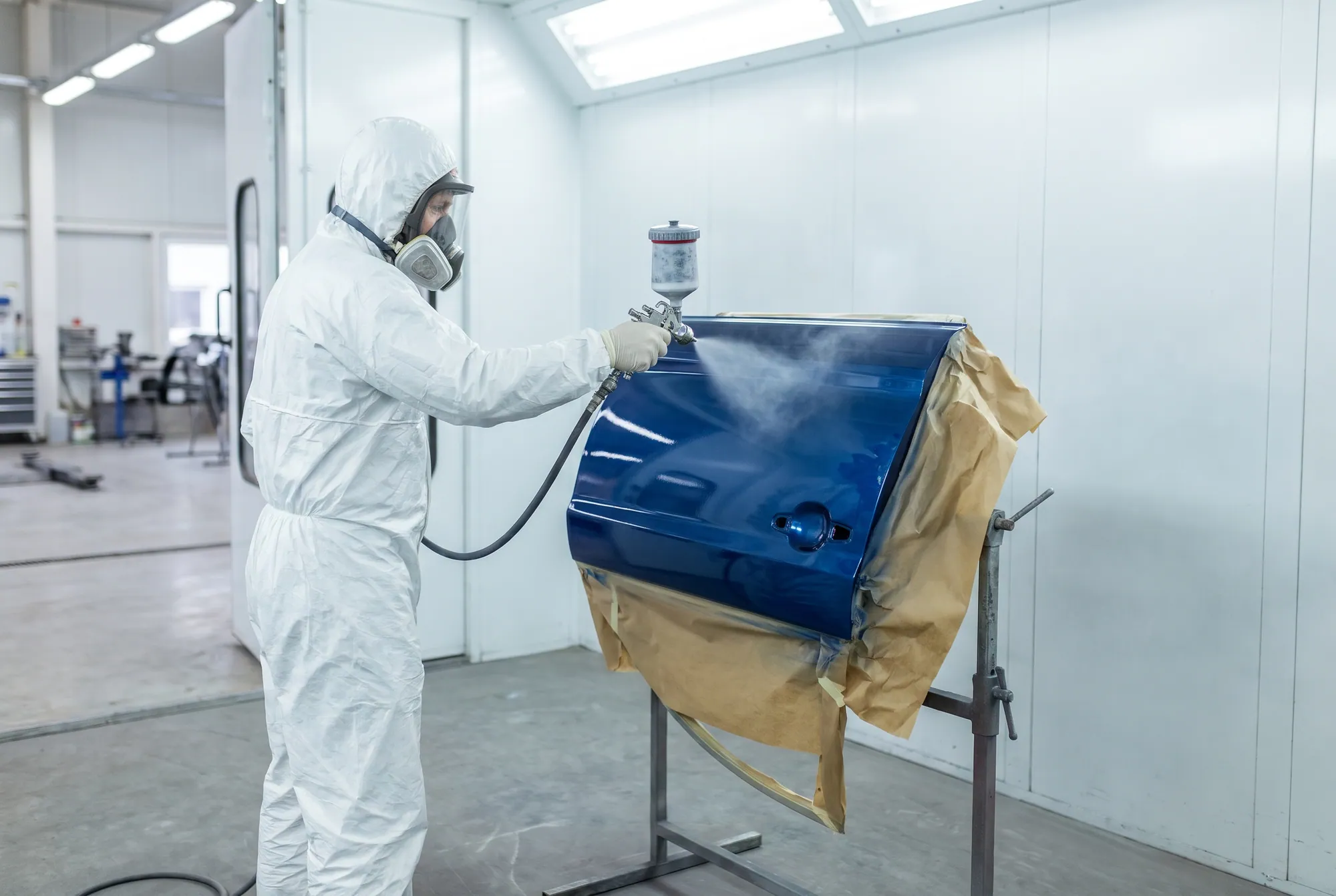
The biggest decision in a color change is how far it goes. Painting only the outside is the least expensive, but open a door and the old color is still there. A full color change also covers the door jambs, under the hood and the trunk opening, which means more disassembly and more time. Neither is wrong; it depends on the car and what you want from it.
Before anything gets sprayed, look at the color outside, in sun and in shade. A color that looks right on a chip indoors can look completely different on a full-size panel in daylight.
Candy, pearl and flake
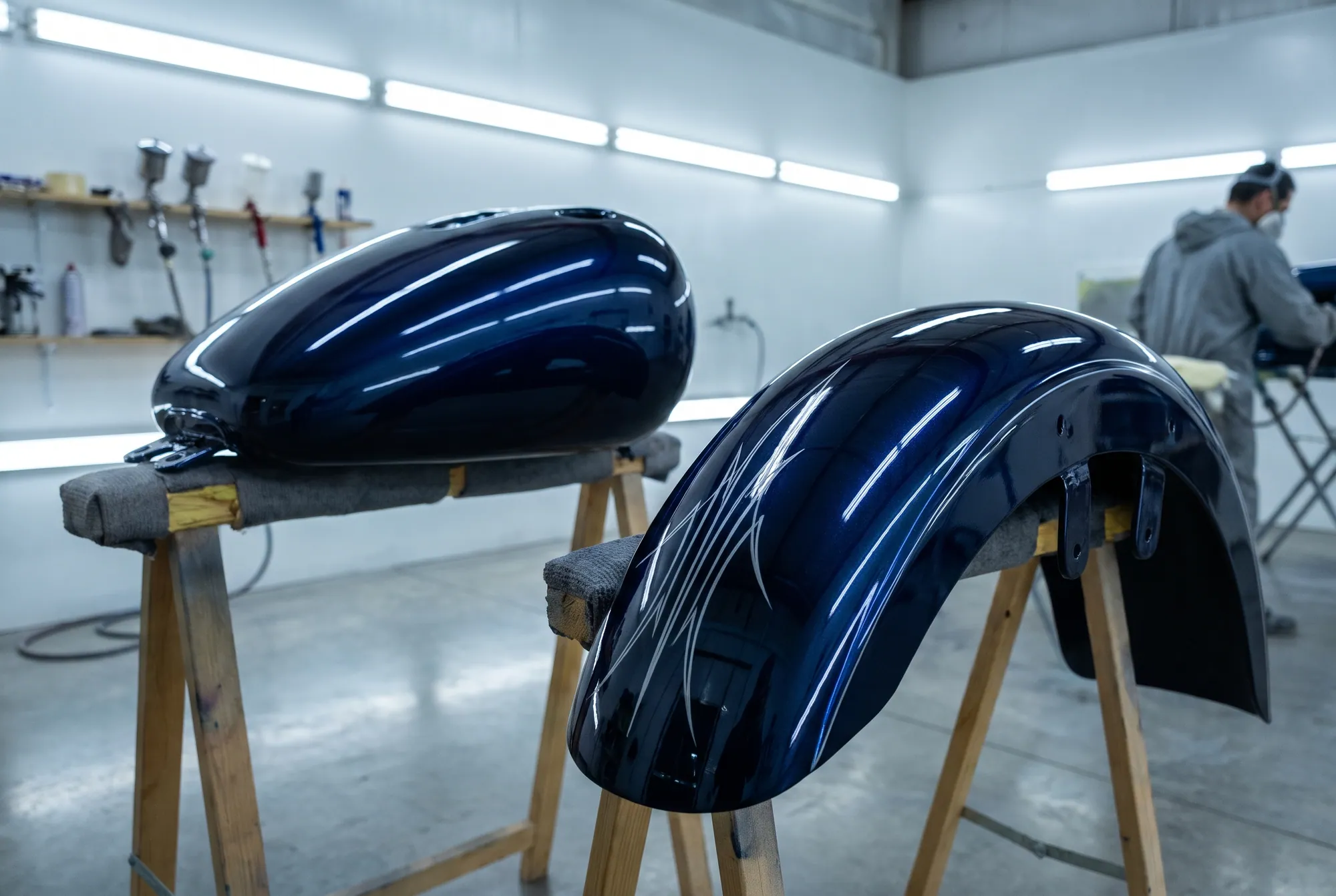
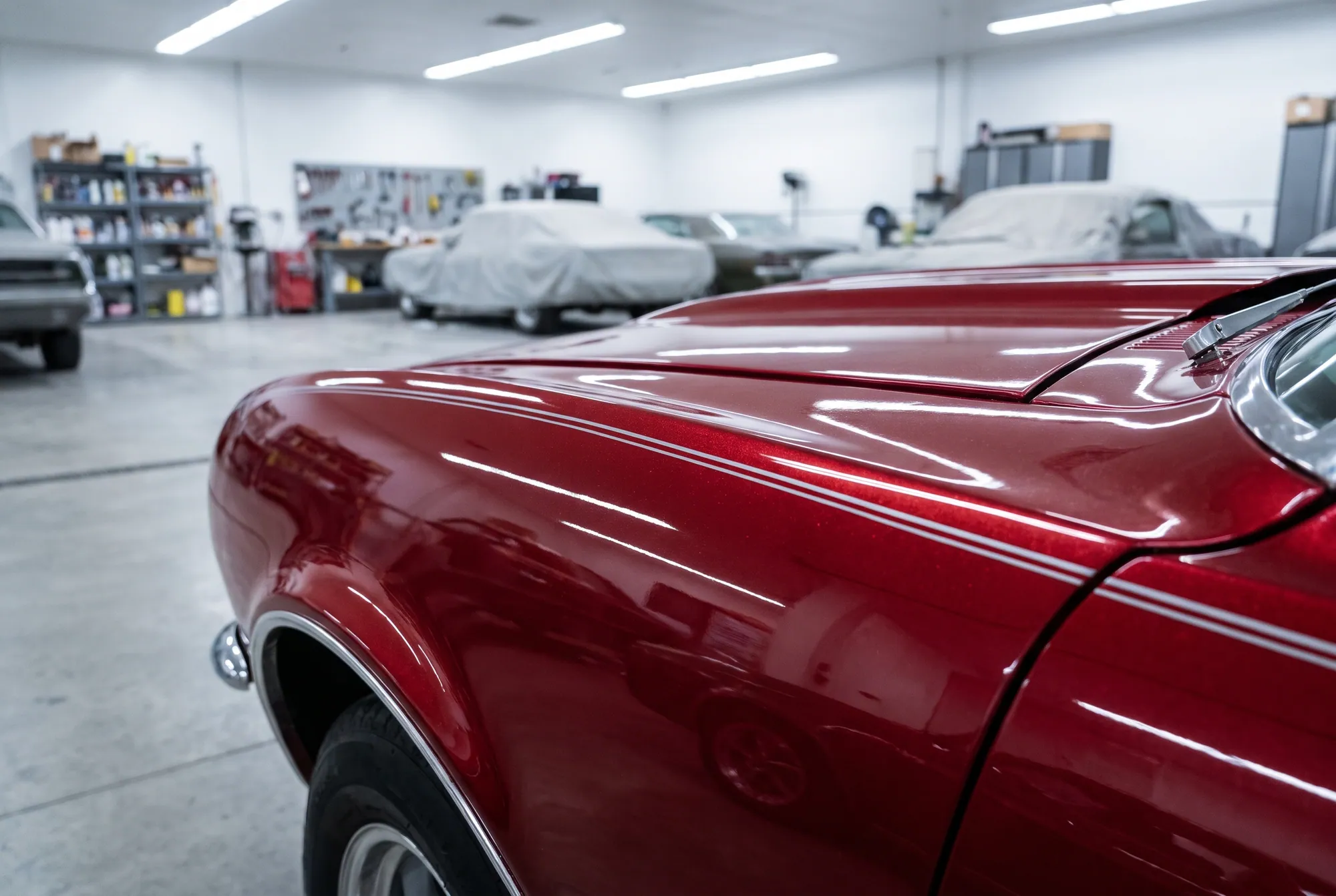
Specialty finishes are built in layers. A candy is a tinted clear over a base color, so its depth depends on how evenly each coat goes on. Pearls shift color with the angle of the light. Metal flake needs extra clear to bury the flake and level the surface. All of them take more material and more labor than a standard finish, and all of them reward patience.
Two-tones, stripes and graphics
Two-tones and stripes come down to clean lines and careful masking, then clearing over everything so there's no edge to feel. Bring reference photos, a sketch or a car you've seen. We'll talk through what works on your body lines and what it will take.
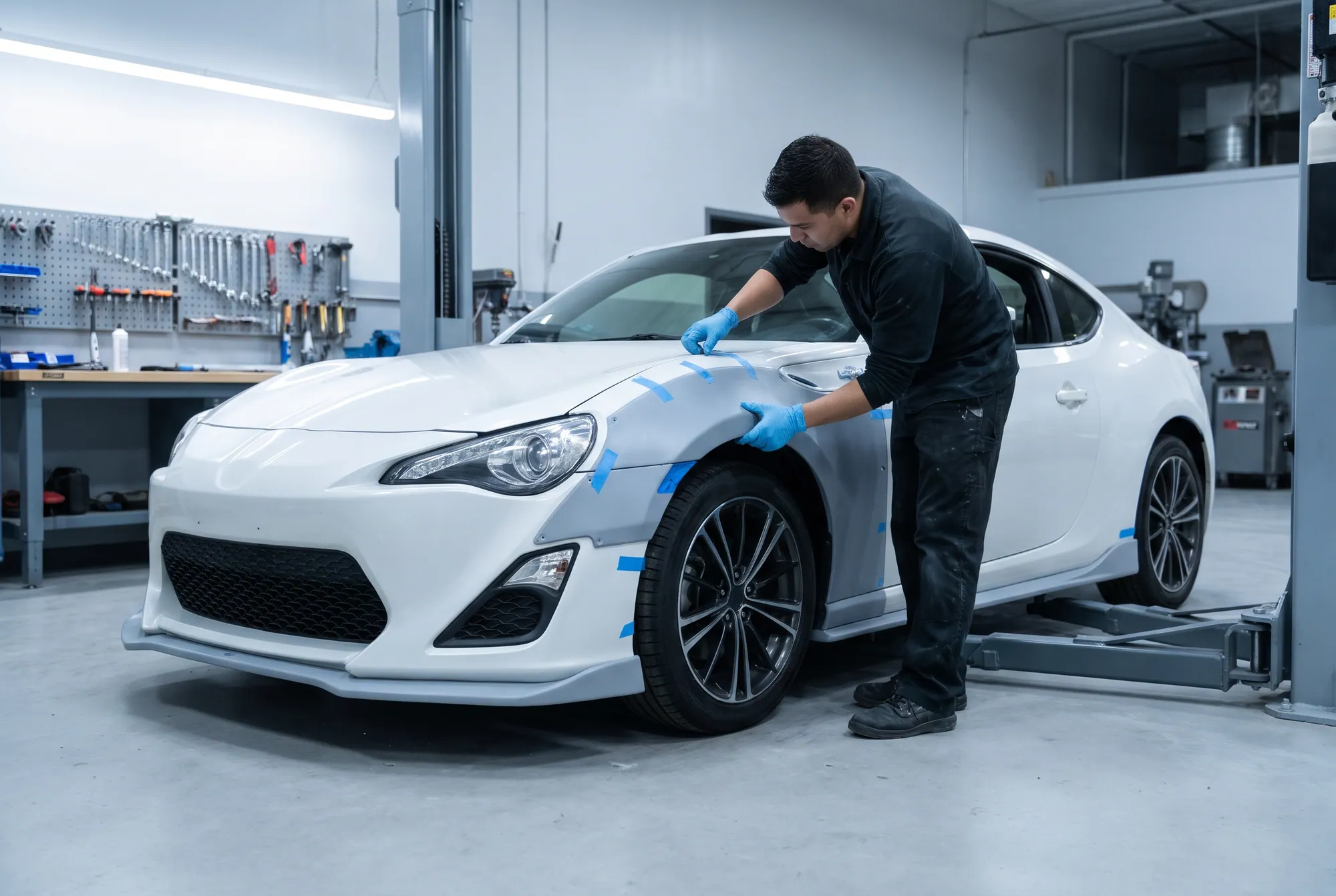
Custom paint often goes hand in hand with custom body work and body kits, and the same finishes work on bikes too, see motorcycle painting.