The prep is most of the paint job
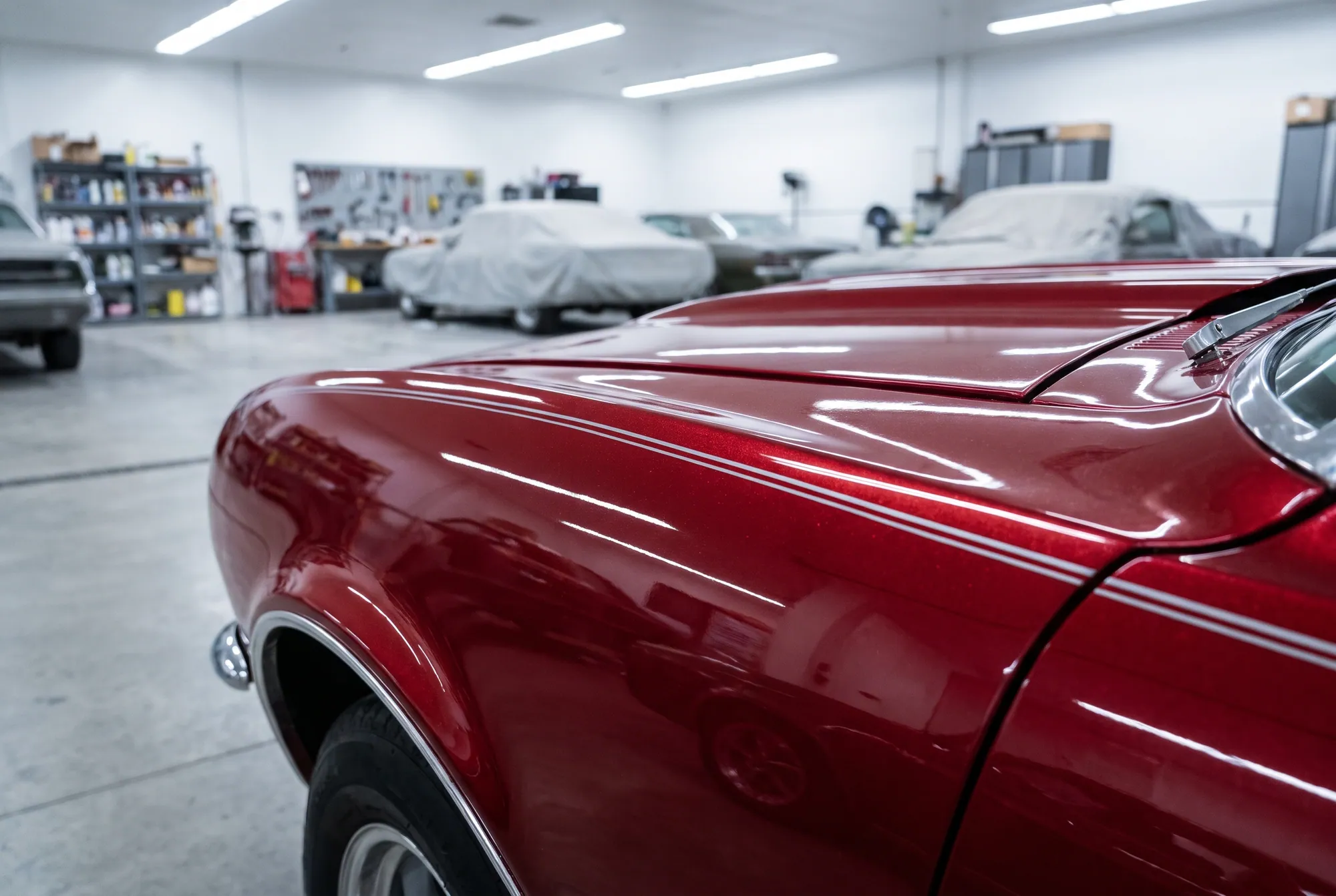
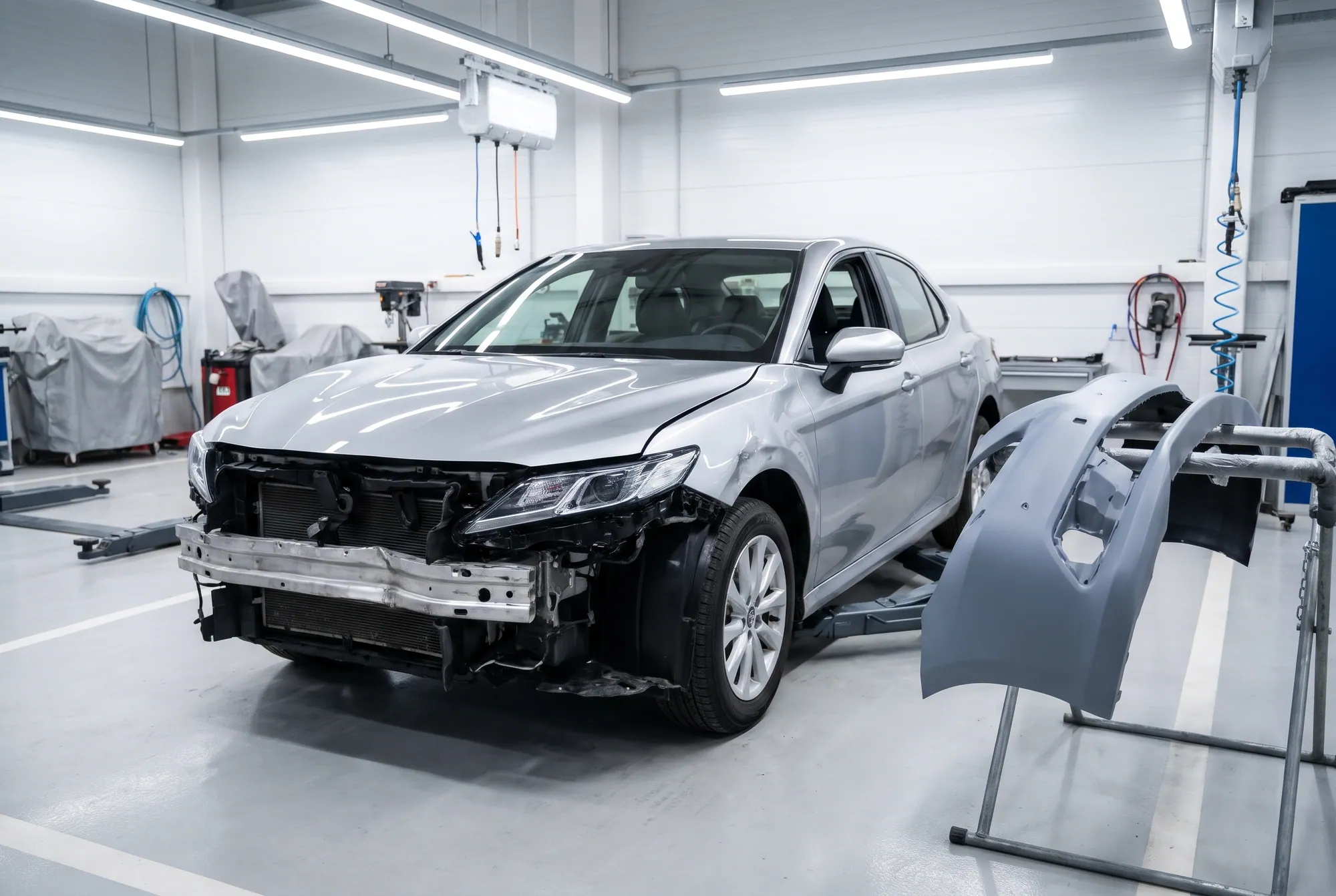
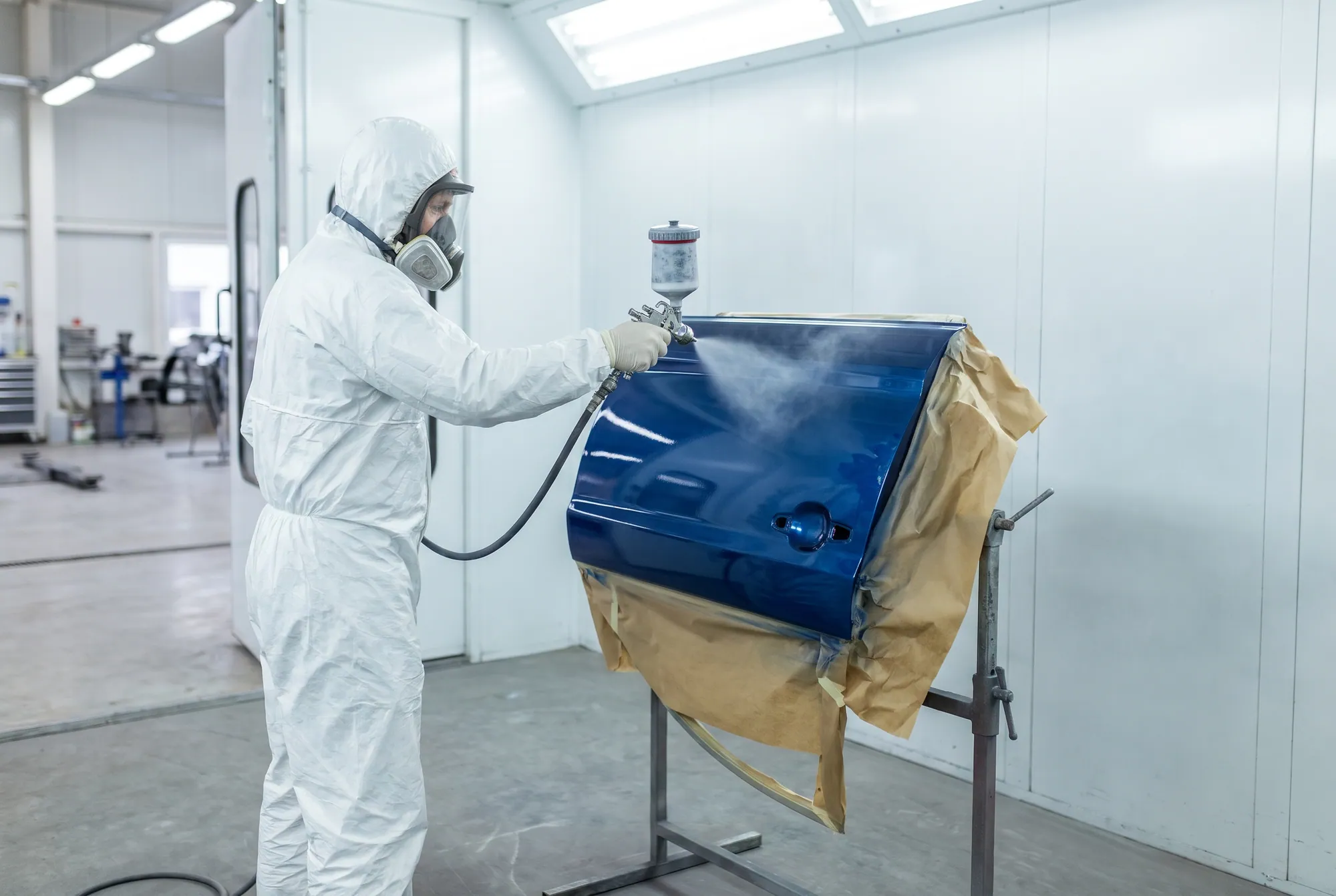
The spraying is the part everyone pictures, but a paint job is only as good as what's under it. Old paint has to be sanded, chips and dings fixed, and edges and trim either masked properly or removed. Bare spots get primer, the surface gets sealed, then the base color and clear go on. After that, the finish is checked and, where it needs it, cut and buffed.
Skipping steps is how cheap paint jobs end up peeling, showing sanding scratches or lifting at the edges a year later. When you compare quotes, ask what's being prepped and what's being taped over.
Matching your factory color
Every car has a paint code, usually on a sticker in the driver's door jamb. The code is the starting point, not the answer: the same code can come in several variants, and the paint on a ten-year-old car in Carolina sun isn't the color it left the factory with. A good match means mixing to the code, checking it against your car, and blending the new color into the panels beside the repair so the eye never finds an edge. We wrote up the whole process in how auto paint matching works.
Complete repaint or just the bad panels?
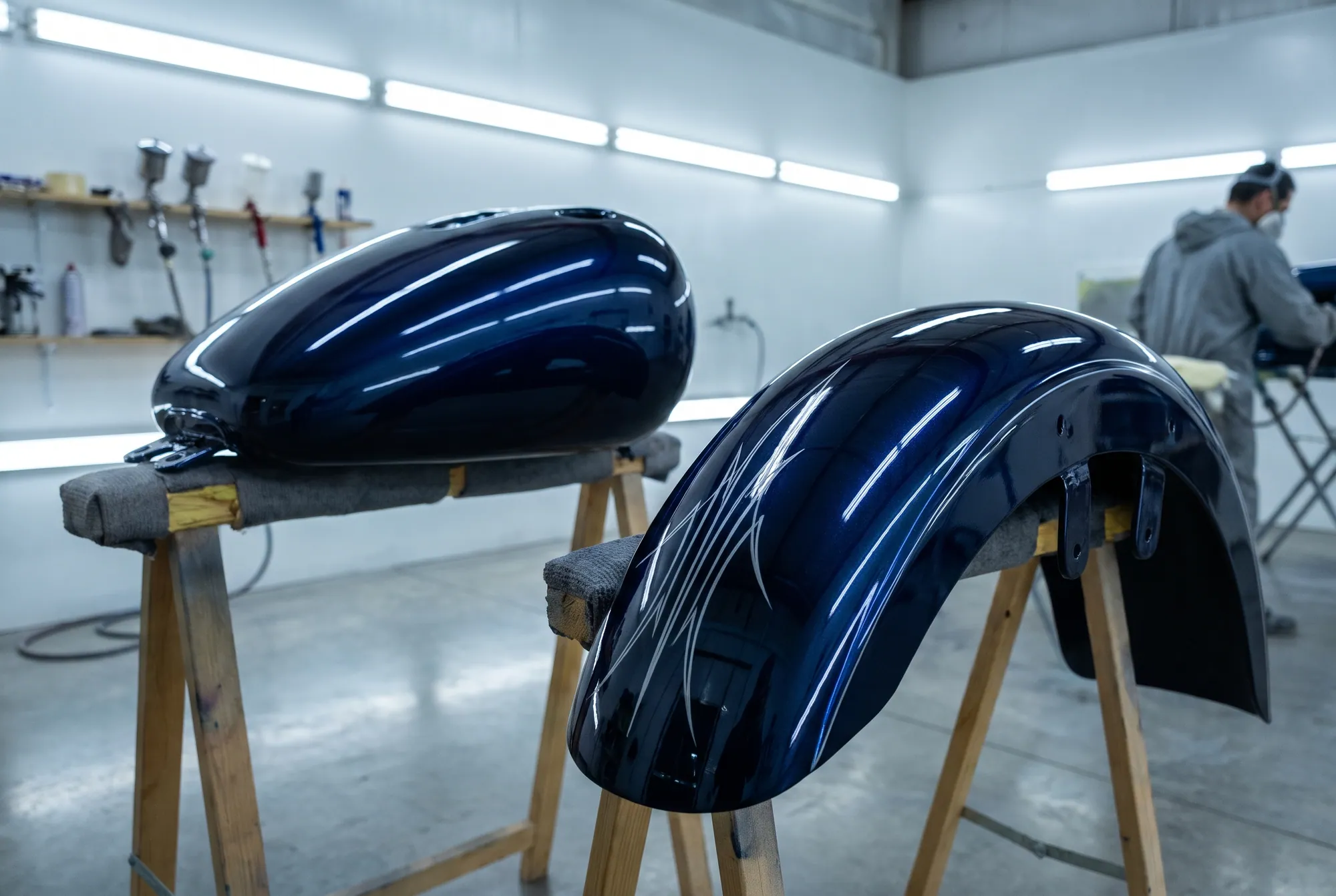
If the clear coat is failing on the roof, hood and trunk but the sides are sound, painting the bad panels usually makes more sense than painting the whole car. If the paint is failing everywhere, or you want a new color, a complete repaint is the honest answer. We'll tell you which one your car needs, and if you're thinking bigger, our custom paint page covers color changes, candies and two-tones.