Body kit installation: what to know before you buy
A body kit can change the whole look of a car, or turn into weeks of frustration if the parts don't fit. Here's what to know about materials, fitment, paint, sensors and North Carolina rules before you order.
The short answer
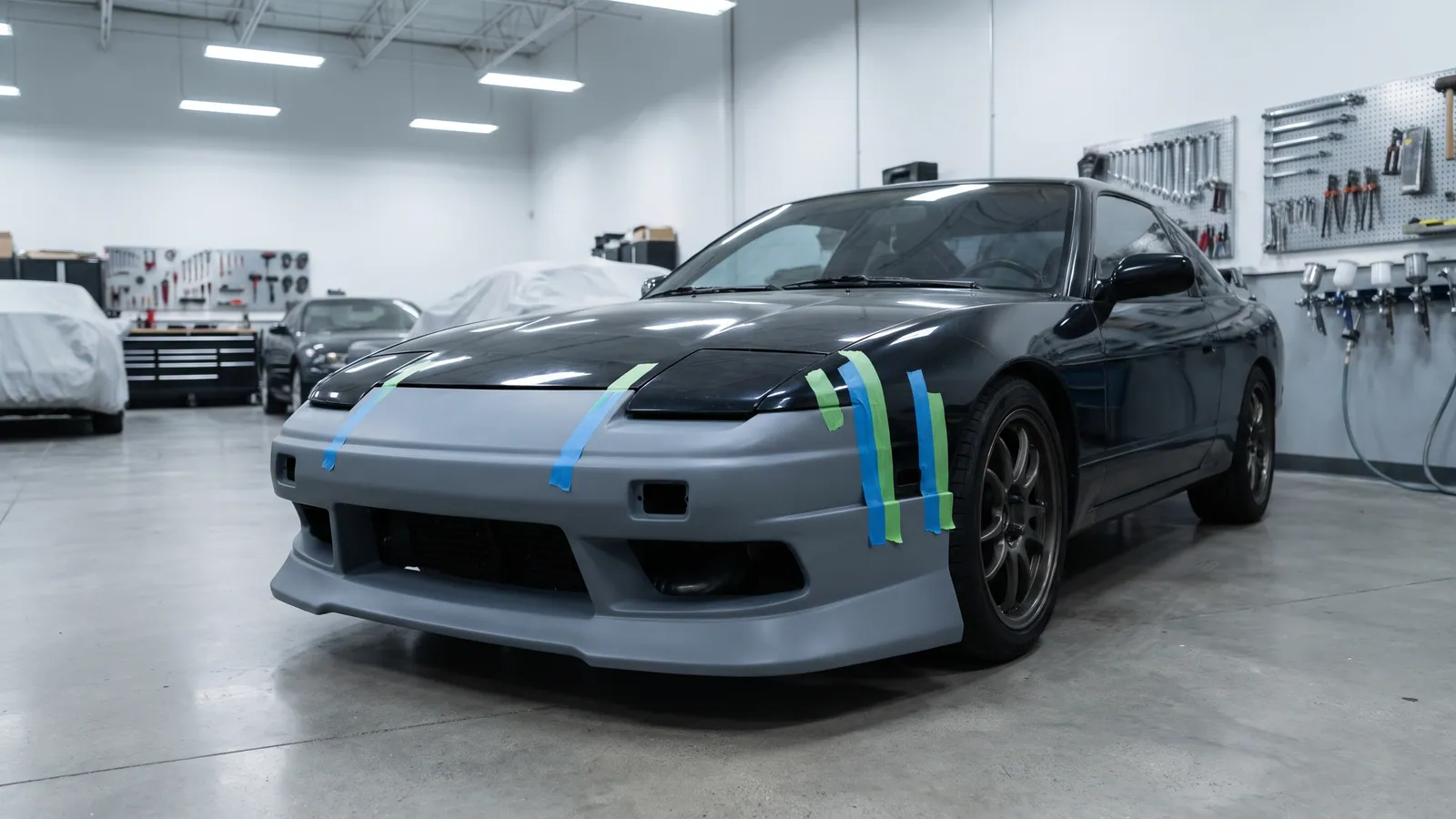
Plan on professional fitting. Each piece should be test fit on the car, trimmed and sanded where it doesn't line up, repaired for surface flaws, then primed and painted before final installation. Choose a material that suits how you drive, make sure the kit clears the bumper reinforcement and any parking or radar sensors, and keep every light working and visible for North Carolina's annual safety inspection.
Body kits look simple in product photos: a few panels that bolt on and change the whole car. On the shop floor, most of the work, and most of what decides whether a kit looks factory or homemade, happens before the last bolt goes in. Here's what to know before you order.
Pick the material for how you drive
Kits come in a handful of materials, and each one behaves differently on the road and in the paint shop.
| Material | How it behaves |
|---|---|
| Fiberglass | Light, and easy to sand, fill and reshape during installation. It's brittle and can crack on impact, and handmade pieces often arrive with minor surface flaws. |
| Polyurethane | More flexible and impact resistant than fiberglass. It's heavier, can be harder to paint, and leaves less room to adjust fit and finish. |
| ABS plastic | Light, durable and holds its shape well. |
| Carbon fiber | Extremely light and strong, but costly, and it needs very careful handling during installation. |
For a daily driver that meets steep driveways and parking blocks, polyurethane's ability to flex is worth a lot. If every pound matters or you want the carbon look, carbon fiber earns its price. Fiberglass is very workable for a shop, which helps when a part needs reshaping, but it won't forgive a hard hit.
Plan on fitting it, not just bolting it on
Expect fitting work. Vicrez, which sells widebody kits, says budget kits often take hours of extra trimming, filling and adjusting to reach a passable fit. Writing in BodyShop Business, Bob Winfrey describes cutting fiberglass bumper kits back with an air saw so they'd clear the bumper reinforcements.
A careful fitting process usually runs like this:
- Open the box and inspect every piece for damage before you sign for the delivery.
- Dry fit each piece on the car before making any permanent changes.
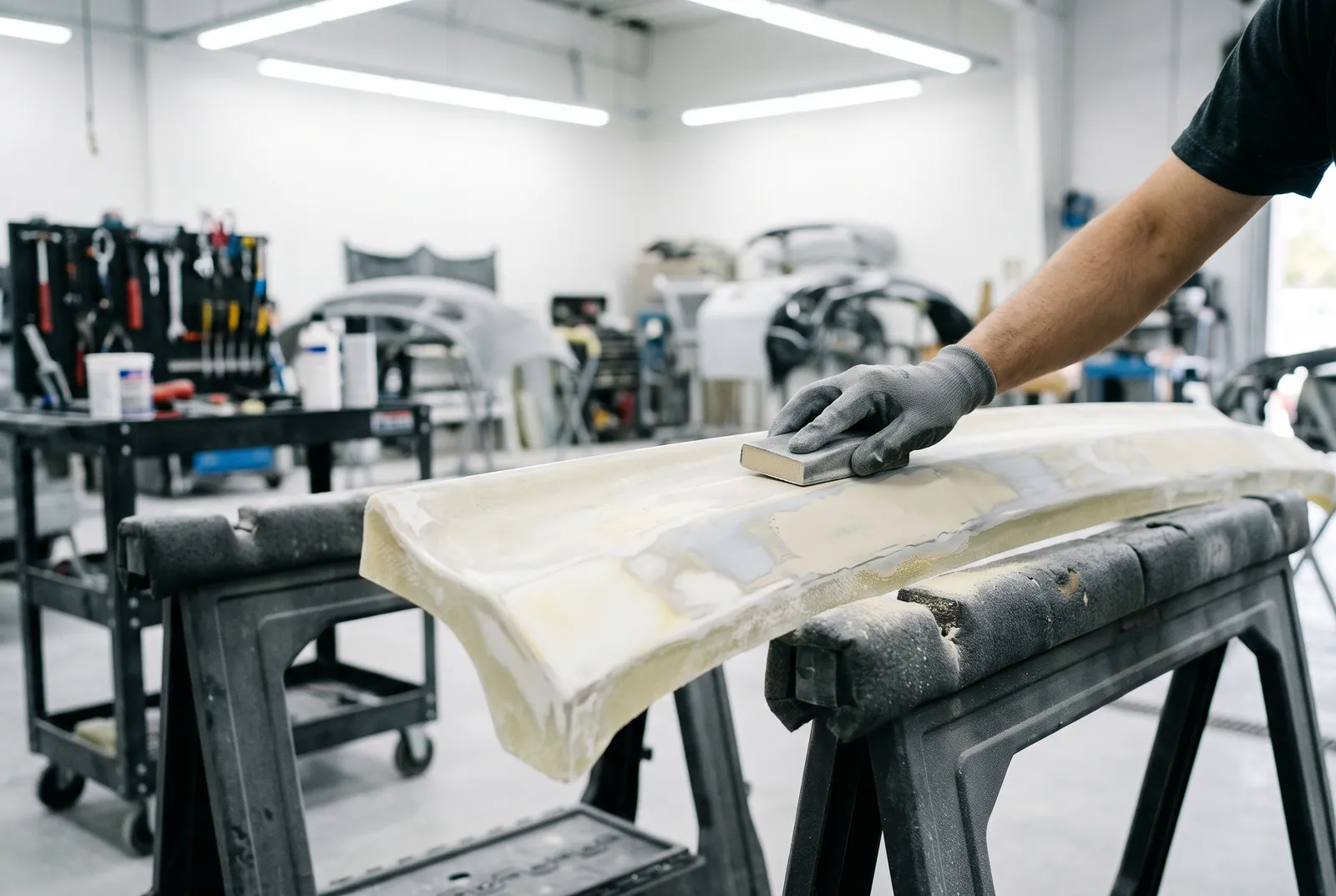
- Trim, sand and adjust until the gaps and edges line up with the factory panels.
- Mount the kit with the headlights and trim in place to confirm everything clears.
- Repair surface flaws. Some pieces need fiberglass repair or putty.
- Prime, block sand and paint.
- Install for good.
The bumper reinforcement deserves a special mention. Winfrey calls it an important part of the car's safety structure, one that shouldn't be tampered with much. The kit gets trimmed to clear the reinforcement, not the other way around.
We do custom body work and body kits here in Fayetteville. If you're shopping for a kit, send us the product link and a few photos of your car through our free estimate form before you order.
Why the kit is painted before final install
It's tempting to bolt a kit on and paint the car with it in place. A good shop works in order instead: fit first, paint second, install last. Winfrey's sequence puts priming and refinishing ahead of final installation. Vicrez describes the same idea for widebody work, with panels mounted and aligned, then primed with high-build primer and block sanded before paint, and trim, fender liners and side markers reinstalled only after the paint cures.
The reasons are practical. Any trimming or sanding after paint would damage the finish. With the parts off the car, the painter can reach every edge and return so the backside isn't left bare. And the new parts have to match your car's existing paint, which takes the same color matching work as any repair. Our guide to how auto paint matching works explains why the paint code alone won't get you there.
Material matters in the booth too. Vicrez notes that polyurethane can be harder to paint than fiberglass, so ask how the shop will prep the material your kit is made of. If you'd rather have the kit in a contrasting color or a custom finish, decide before paint day.
Lips and add-ons vs widebody
A kit can be as small as a front lip or as big as a full widebody. Smaller add-ons change less of the car, so there's less to fit, paint and get wrong. They're a sensible place to start.
Widebody kits are a bigger commitment. Vicrez splits them into two kinds:
- Bolt-on kits mount over the existing fenders with bolts, rivets or adhesive and avoid cutting factory sheet metal.
- Cut-fender kits require cutting away part of the factory fenders. They cost more and can't be undone.
For cut-fender kits, Vicrez's rule is to always cut less than you think you need, since cutting too much metal can't be fixed. It also points out that a widebody kit changes your wheel and tire options without guaranteeing that any wide wheel will fit, and it recommends planning wheels, tires and suspension before the install starts.
Sensors, cameras and parking aids
On a car with driver assistance features, the bumper isn't just a cover. Ford's collision position statement on bumper fascia repair says its original fascias are designed to work with features such as pre-collision assist with automatic emergency braking, blind spot monitoring with cross-traffic alert, adaptive cruise control and active park assist.
Ford also warns that vehicle wraps, bumper stickers and aftermarket accessories in the area of the fascia can create system operation concerns, and it caps total paint thickness on those fascias at 12 mils. Your car's maker may publish its own guidance, so check it before you buy.
Questions to answer before you order a new bumper or lip:
- Does the kit have provisions for your parking sensors, and how do they mount?
- Does any piece cover or sit in front of a radar sensor or camera?
- Does a replacement bumper move the sensors from where the factory put them?
Lighting and North Carolina inspection
Every vehicle registered in North Carolina has to pass an annual safety inspection before its registration can be renewed, though vehicles more than 30 years old are exempt. NCDMV lists what a licensed mechanic checks, including headlights, accessory lights and directional signals, along with the brakes, steering, tires, horn, rearview mirror, wipers and exhaust.
Lighting deserves the most attention when a kit changes the front or rear of the car. North Carolina's lighting statute, G.S. 20-129, requires:
- At least two headlamps, with at least one on each side of the front
- Rear lamps showing a red light plainly visible from 500 feet behind the car
- A white light that makes the license plate readable from 50 feet behind
- On vehicles built after 1970, stop lamps on each side of the rear, red or amber, visible from at least 100 feet in normal sunlight
If a kit reshapes the headlight openings, swaps the rear bumper or moves the plate, make sure every lamp still works, nothing blocks it, and the plate is still lit. If the kit adds lighting of its own, keep in mind that accessory lights are on the inspection list too.
Before paint, test every light with the kit mounted: headlights, turn signals, taillights, brake lights and the plate light. A blocked lamp is easy to fix at the fitting stage and costly to fix after paint.
Tell your insurer before the kit goes on
A body kit adds parts and paint to your car, so call your insurance agent before it goes on, not after a claim. Ask whether the kit and its paint would be covered if the car is damaged, and whether you need to add anything to your policy. Keep receipts, the product listing and photos of the finished car.
That paper trail helps if the car ever needs work. Kustom Shop works with all major insurance companies, so if your kitted car ever needs collision repair, we can help with the claim as well as the fix.
Questions
Can I install a body kit myself?
It depends on the kit. Vicrez recommends a professional for any kit that requires fender cutting, welding or extensive bodywork. Even when the mounting is simple, the fitting, prep and paint decide how the finished car looks. If you'd like a second opinion first, send photos through our estimate form.
Will a body kit pass North Carolina inspection?
The NC safety inspection checks equipment, not styling. NCDMV's list includes headlights, accessory lights, directional signals, tires, mirrors and the exhaust system. If your kit touches any of that equipment, make sure it all works and is visible before your inspection.
Is fiberglass or polyurethane better for a daily driver?
Polyurethane is more flexible and impact resistant, so it handles scrapes and bumps better. Fiberglass is lighter and easier to reshape during installation, but it's brittle and can crack on impact. For a car that sees curbs and steep driveways, flexibility is usually the better trade.
Does a body kit have to match my car's paint exactly?
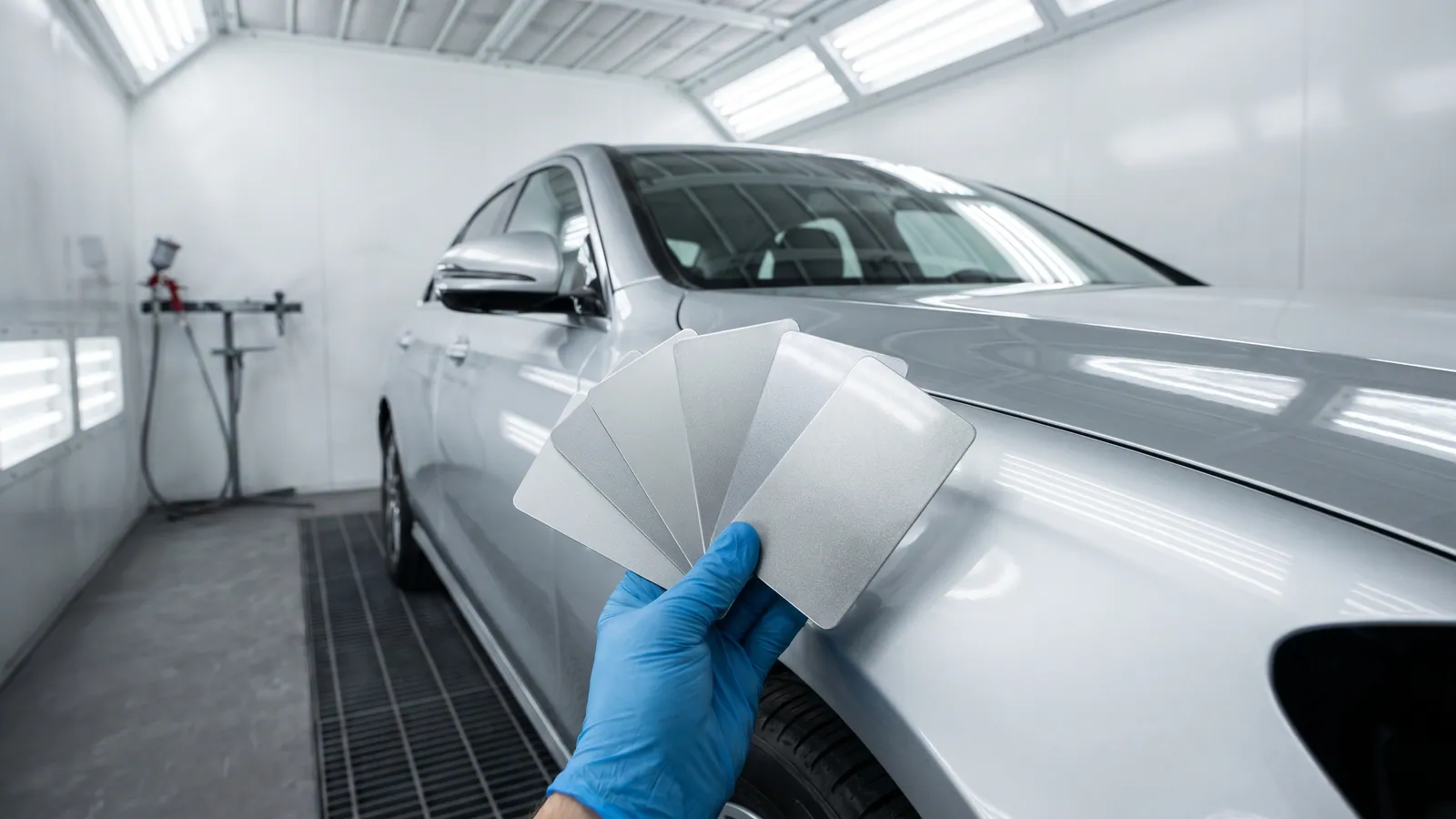
Only if you want it to blend in. In that case the kit has to be color matched to your car's current paint, not just its paint code, using spray-out cards and daylight checks like any repair. Contrasting colors or a custom finish are options too, so decide before paint day.
Sources
- Performing Custom Modification (BodyShop Business)
- Complete Widebody Kit Installation Guide: What to Expect (Vicrez)
- Collision Position Statement: Bumper Fascia Repair with Advanced Driver Assistance Systems (Ford Motor Company)
- Vehicle Safety Inspection (NCDMV)
- G.S. 20-129: Required lighting equipment of vehicles (North Carolina General Assembly)
Need it looked at?
Send a few photos for a free estimate from Kustom Shop, 5409 Bragg Blvd, Fayetteville, NC 28303. With or without insurance.